
Supporting lower-emissions farming
Science is helping New Zealand farmers meet a major challenge: reducing emissions while still producing high-quality food and staying profitable. From breeding to new tools, researchers are developing practical ways to lower emissions without reducing the performance of pasture-based farming systems.
One of the most powerful advances has been the development of sheep and cattle that naturally produce less methane. By identifying and breeding these animals, scientists have shown emissions can be reduced permanently and cumulatively over time and across generations, without affecting growth, fertility, or produce quality. This work is complemented by ongoing methane vaccine and inhibitor research, which aims to cut emissions at their biological source while working within existing farm systems.
Equally important is the ability to measure emissions accurately on farm. Scientists have led the world in developing practical ways to measure emissions on farm, giving farmers confidence that the changes they make are delivering real, measurable reductions. This evidence base is critical for both future policy decisions and maintaining market access.
That scientific legacy continues through tools such as AgPAC (Portable Accumulation Chambers) and robust life cycle assessment tools (AgLCA). These tools help farmers, processors, and industry groups understand where emissions occur and where the biggest gains can be made. They support better decisions around stocking rates, pasture management, feed choices, and land use, helping farmers respond to changing conditions while staying productive and profitable.
Together, these innovations ensure New Zealand agriculture remains resilient and competitive, protecting the country’s reputation as a producer of low-emissions animal products and helping farmers prepare for future environmental and market expectations.
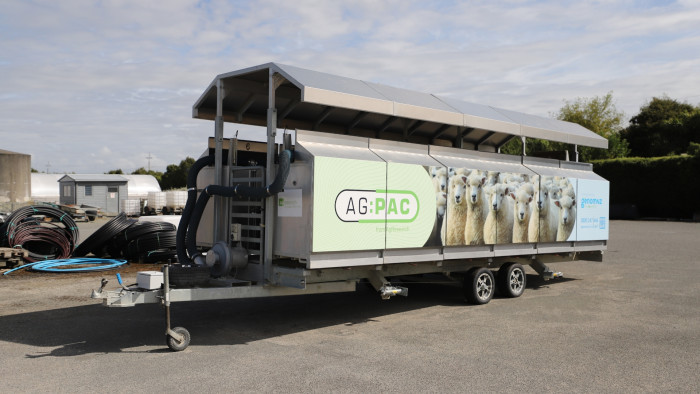
Science has helped farmers reduce emissions through improved animal genetics and innovative tools, such as AgPAC (Portable Accumulation Chambers).