
Protecting New Zealand
Science helps to stop invasive species from crossing New Zealand’s borders and damaging natural and productive landscapes.
-
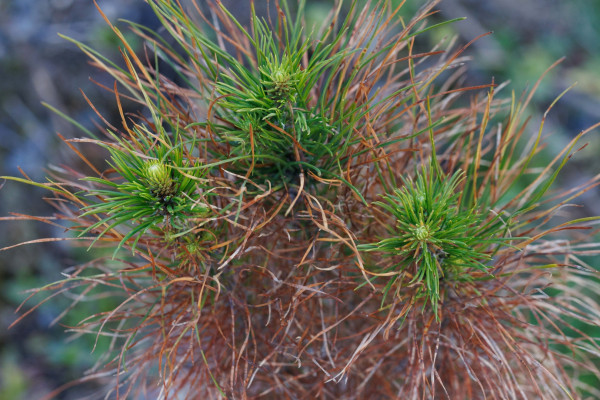
Fighting a forest foe for generations
For more than 100 years, New Zealand scientists have been protecting our forests from diseases that threaten their health and productivity. Dothistroma needle blight – which attacks pine needles and can stunt tree growth if left unchecked – is one of the most significant.
-
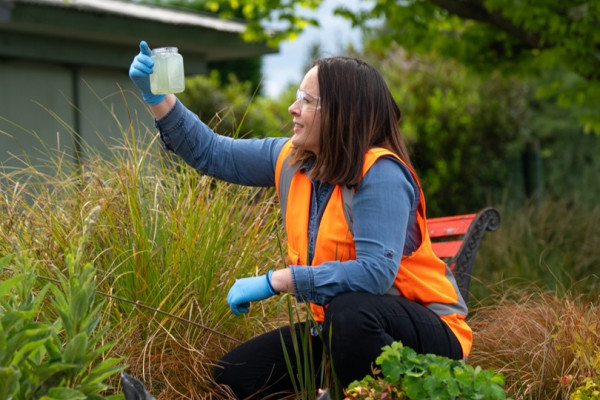
Groundwater science protecting New Zealand’s drinking water
Forty per cent of New Zealanders rely on groundwater for drinking water. This comes with challenges, as groundwater is slow-moving, feeds many environments such as estuaries and can take decades to clean once it’s contaminated.
-
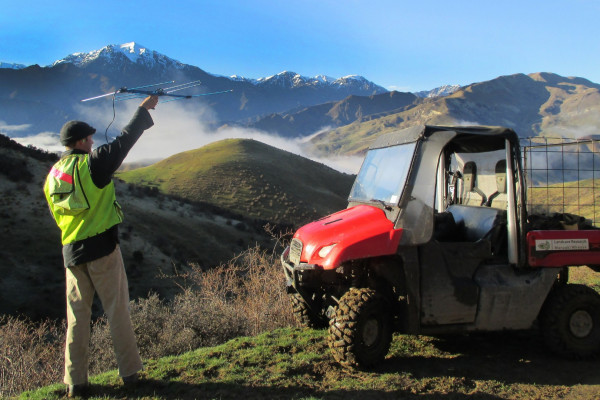
Landscape-scale control of possums
Introduced in the mid 1800s by settlers looking to start a trade in possum fur, the Australian common brushtail possum faced no natural predators and quickly got out of control: by the mid-1980s it was estimated there were 60-70 million of them in New Zealand
-
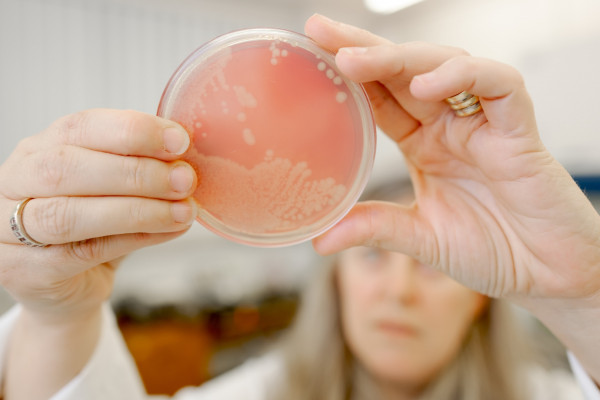
Rewriting the language of plant disease names
Collections of microorganisms help us understand what’s present in the New Zealand environment already, identify what’s new and sometimes hold the answers to global problems.
-
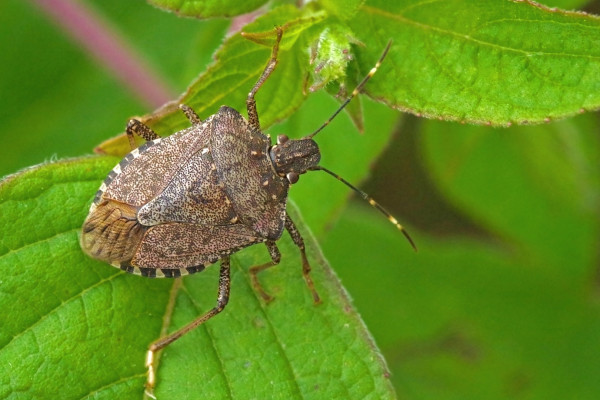
Eradicating insect pests at first sight
When a pest or pathogen breaches the border, New Zealand’s response is guided by world leading science. For decades, our scientists have been at the forefront of this work, providing the evidence and expertise that underpin effective biosecurity action.
-
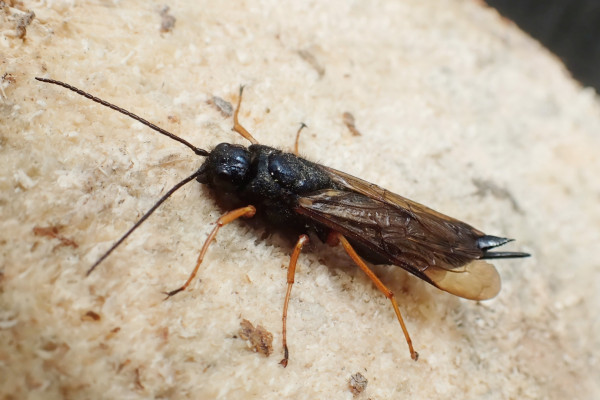
Taking the sting out of wood wasps
Since the early 1960s, science has played a key role in protecting New Zealand’s forests from pests and pathogens, ensuring they remain healthy and productive. This work has led to the development of early warning systems to improve surveillance and disease forecasting and has helped forest owners build evidence based control strategies.
-
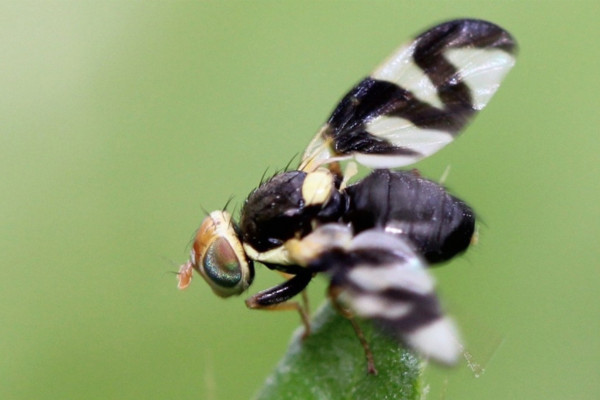
Defending New Zealand from invasive weeds
From hill country pastures to fragile native ecosystems, invasive weeds are a quiet but relentless threat. Science has been central to New Zealand’s ability to not only hold the line, but increasingly to stay ahead.
-
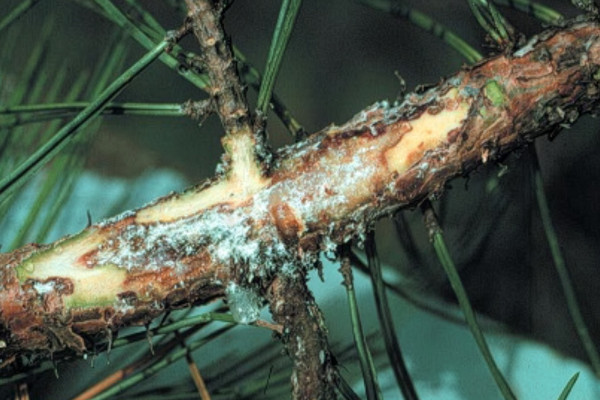
Stopping tiny hitchhikers
With thousands of people and goods arriving in New Zealand each year from around the world, it’s vital to ensure no unwanted pests, weeds and pathogens slip through our borders.
-

Protection from pests and diseases
How science monitors marine and freshwater invasive species