
Understanding New Zealand
Research keeps an eye on New Zealand, how it changes, and how that impacts on people, the environment and the planet.
-
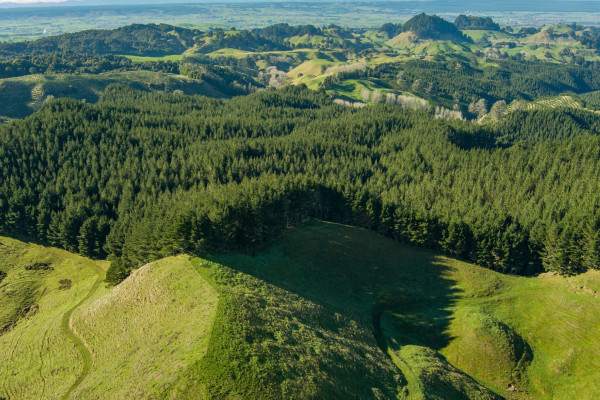
Taking a walk in an experimental forest
Just 50 minutes’ drive from Rotorua is the Puruki Experimental Forest, planted for and dedicated to science that has been key in shaping New Zealand’s forestry sector.
-
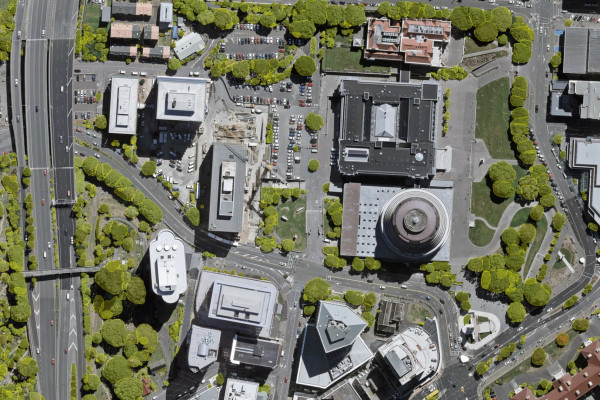
Eyes in the skies
Back in the 1970s, New Zealand’s DSIR was chosen as one of the principal investigators of satellite remote sensing using NASA’s brand-new LANDSAT satellite
-
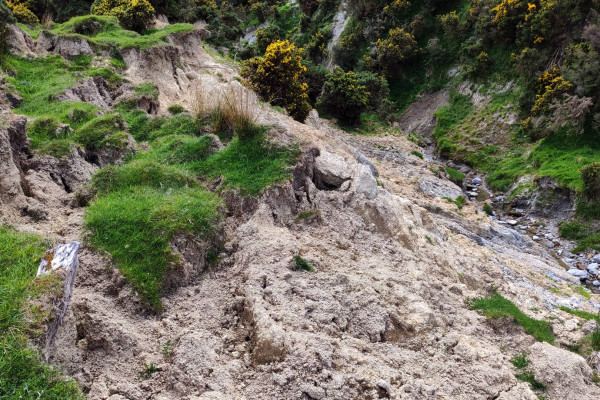
Soils on the move
As well as foundational soil science and mapping, scientists have decades of expertise in soil erosion, sediment processes, and their mitigation. This is important work for the agriculture, horticulture, and forestry sectors, because soil underpins production. It’s also vital to help regional councils meet national freshwater objectives for catchment management.
-
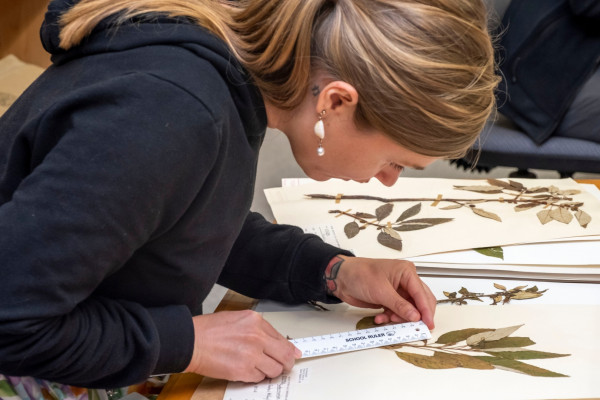
The botanical backbone of a nation
In 1928, a young botanist named Harry Howard Barton Allan began assembling plant specimens in a modest house in Palmerston North. What began as a small, systematic endeavour soon became the Botany Division of the DSIR – and at its centre stood the Herbarium that would later bear Allan’s name.
-
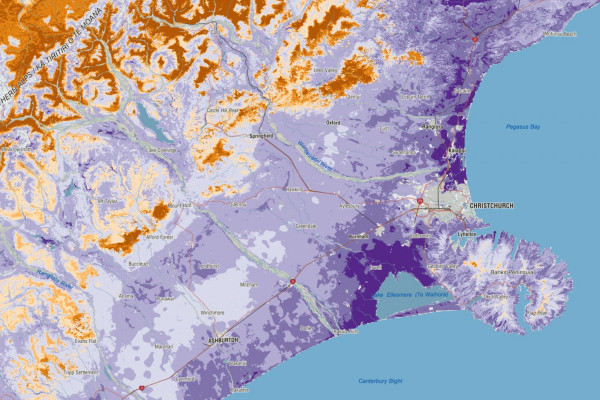
Understanding New Zealand's soils
In June 1930, the Prime Minister George Forbes announced what became the national “Soil Bureau” to help answer soil-related problems in farming, including the central North Island ‘bush sickness’ problem.
-
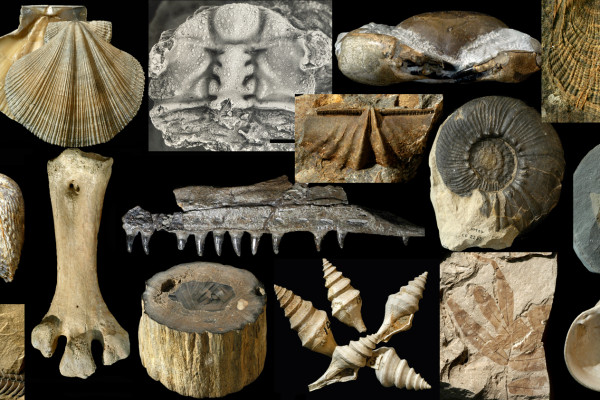
Time travellers boost research
160 years of the New Zealand Fossil Record File
-
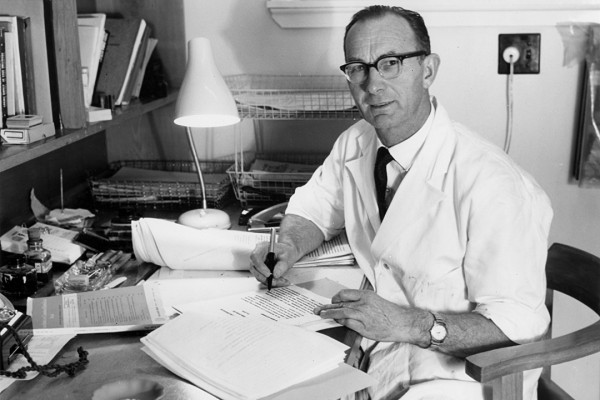
From pioneer to visionary
The world’s longest continuously operating radiocarbon facility
-
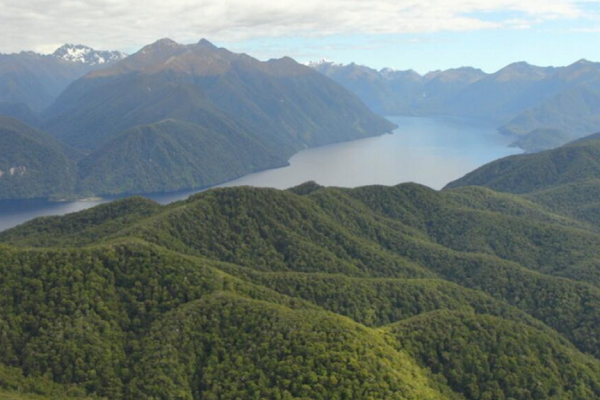
Finding Zealandia
Redrawing Earth’s map defines new continent
-
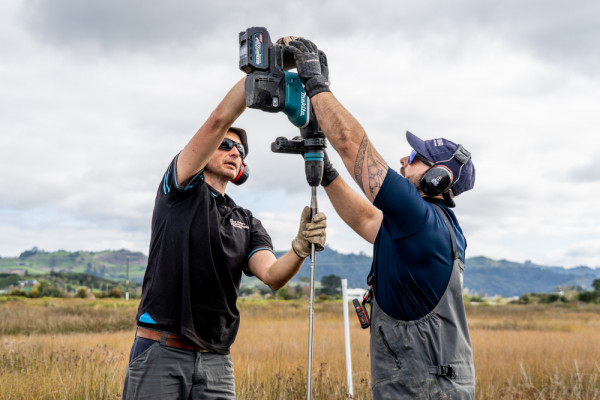
Out in all weathers
Environmental monitoring stations keep on recording
-
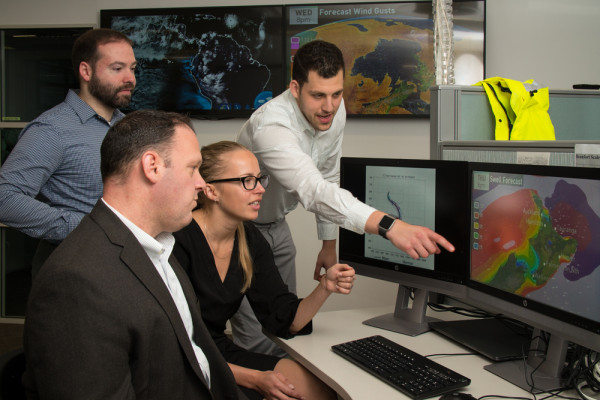
Modelling the ups and downs
Tailor made: A national scale river flow forecasting model
-
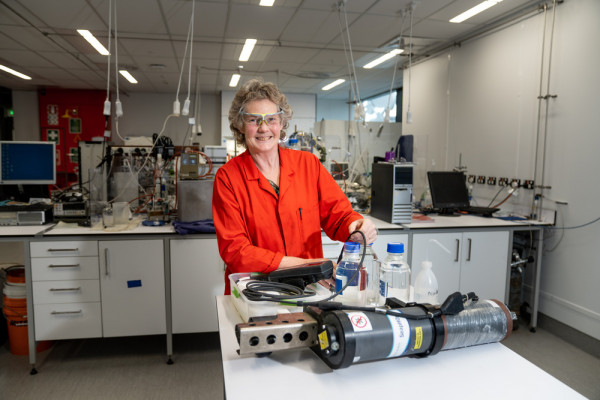
Longest record of pH measurements
The invaluable record of ocean acidification