
Feeding People
New Zealand grows healthy, tasty food for the world, with innovative solutions to production challenges.
-
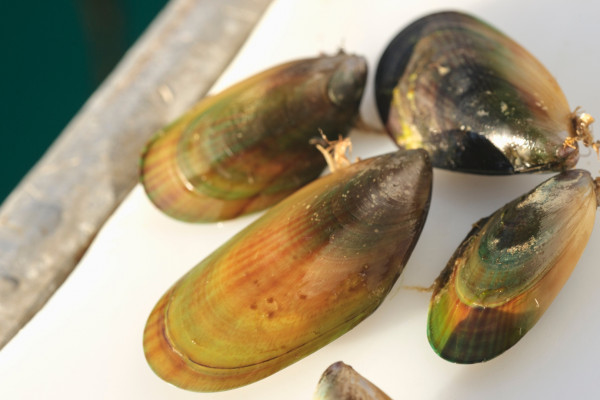
Health benefits from the sea
To grow value while maintaining healthy fisheries, scientists and engineers have developed ways to extract the oils, proteins and bioactive compounds hidden inside fish frames and seafood processing waste. These compounds have useful health benefits for use in dietary supplements and nutraceutical products.
-
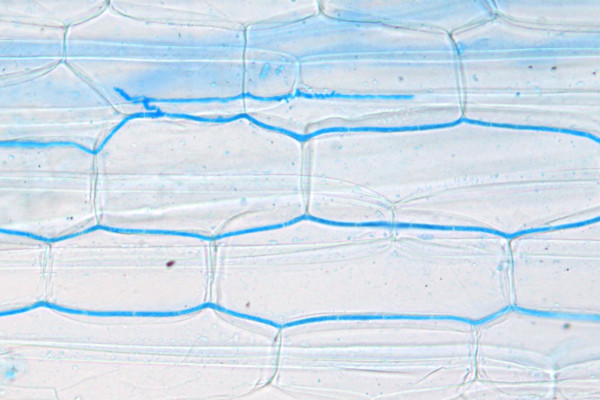
Stopping the staggers
For decades, New Zealand farmers watched their animals grazing on lush perennial ryegrass suddenly stagger, collapse, and injure themselves. The condition became known as ryegrass staggers, and for years its cause remained unknown. It was unpredictable, distressing, and costly for farmers.
-
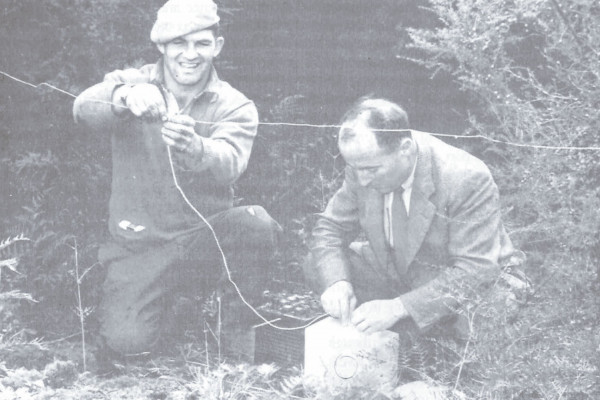
How the electric fence sparked new ways of farming
Rotational grazing has become one of New Zealand’s most important ways to farm productively and sustainably. It involves moving animals between paddocks to give pasture time to recover and regrow. Its success was made possible by a scientific breakthrough in the 1960s that transformed how livestock could be managed on pasture.
-
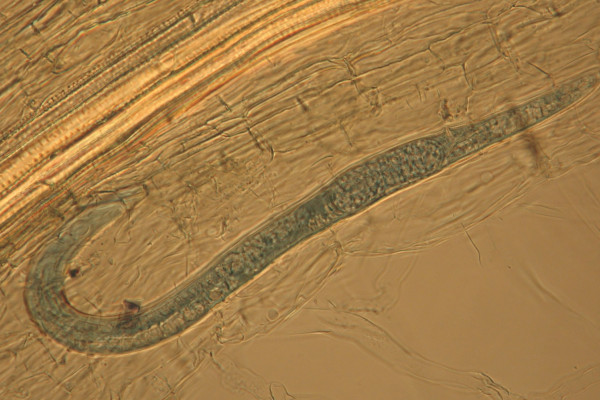
Fighting against parasite resistance
For nearly two decades, scientists have warned that drench resistance would become a major threat, and are helping the New Zealand livestock industry respond to one of its biggest challenges ever.
-
Genetic gains in livestock breeding
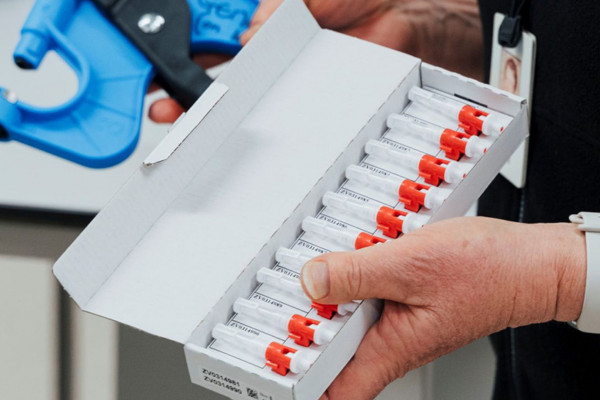
Science is the driving force behind the remarkable gains in New Zealand’s livestock productivity and the rising value of our agricultural exports. By unlocking the power of genetics, researchers have enabled New Zealand farmers to breed animals that grow faster, perform better, and deliver higher quality products.
-
Changing the way the world fishes
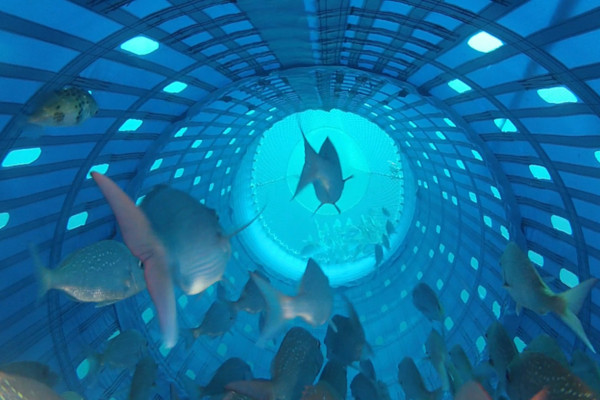
About 70% of New Zealand’s commercial fish harvest is caught using trawlers. The seafood industry sought a new way to catch fish that would protect the environment and improve fish quality.
-
Detecting food fraud
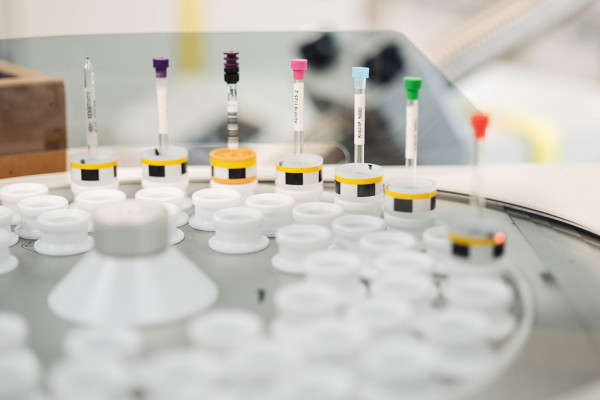
Six times more mānuka honey is sold globally than is produced in New Zealand. The most likely explanation for this is food fraud, with mānuka honey being diluted, substituted or mislabelled. A European Commission investigation published in 2023 found that close to half of all honey imported into the EU was suspected to be fraudulent.
-
A potato variety for every occasion
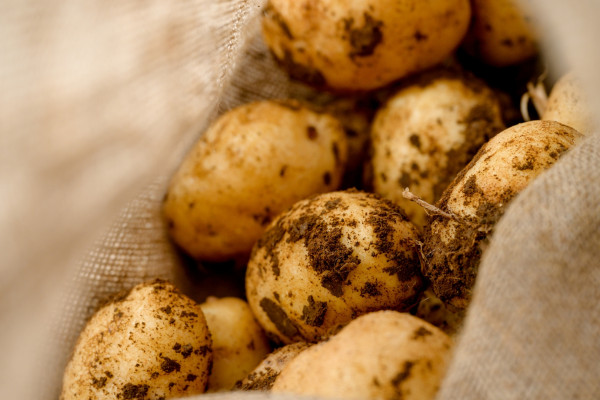
Potato is the most important vegetable crop, the third most consumed food crop in the world after rice and wheat. Most New Zealanders eat potato several times a week, and growers produce more than 400,000 tonnes a year.
-
Supporting lower-emissions farming
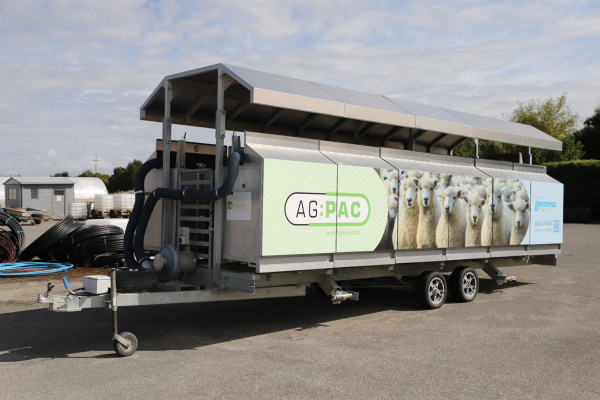
Science is helping New Zealand farmers meet a major challenge: reducing emissions while still producing high-quality food and staying profitable. From breeding to new tools, researchers are developing practical ways to lower emissions without reducing the performance of pasture-based farming systems.
-

Measuring infant formula's most valuable ingredient
Phospholipids are among the most valuable compounds in dairy and marine ingredients, clinically proven to help manage the effects of stress and improve focus. They are found in high concentrations in our brains, and in krill oil and green-lipped mussels. In milk, dairy phospholipids support very important biological activities – including neural development in infants.
-
Finding the world’s next superfruit
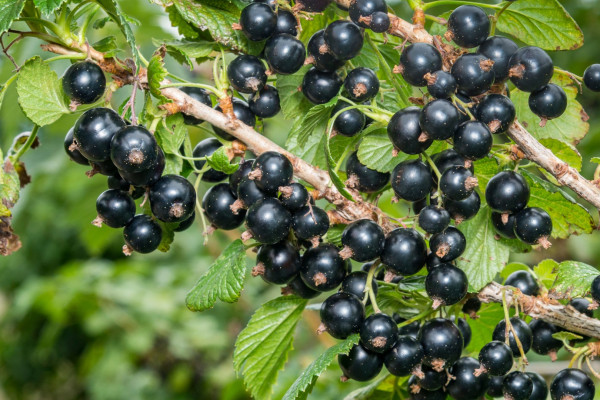
Fruit has long been an essential part of a healthy diet, and New Zealand scientists have spent decades uncovering exactly why.
-
Orchards designed for the future
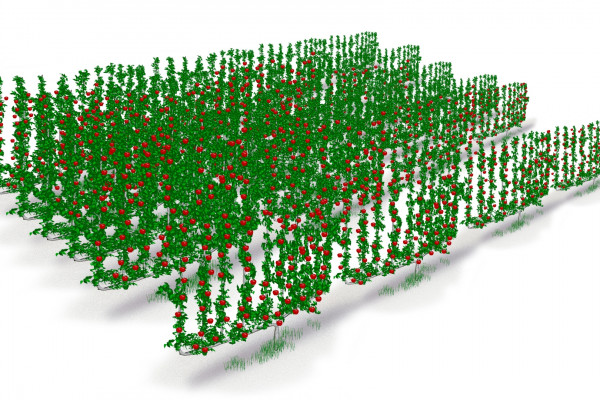
Science has been a major driver of productivity gains in New Zealand’s apple industry. In the 1960s, apple orchards produced an estimated 22 tonnes of fruit per hectare. Today, New Zealand is recognised as one of the world’s most efficient apple producing countries, with average yields sitting at around 54 tonnes per hectare over the past decade.
-
No bad bugs in our fruit and veg!
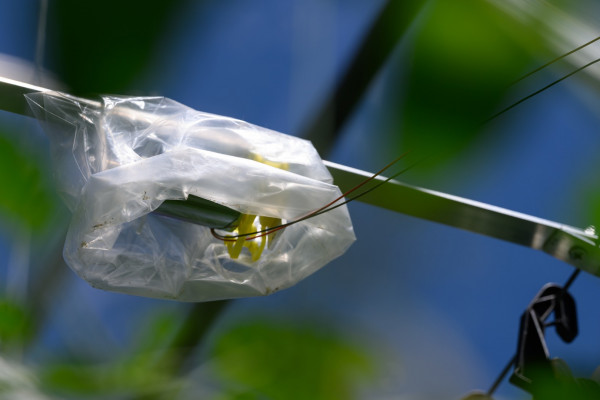
Like many of us, insects love nibbling on a good piece of fruit or veg. Growers find themselves having to perform a delicate balancing act that limits the damage caused by insect pests without using pesticides that leave residues on the harvested produce or killing the insects that benefit their crops.
-
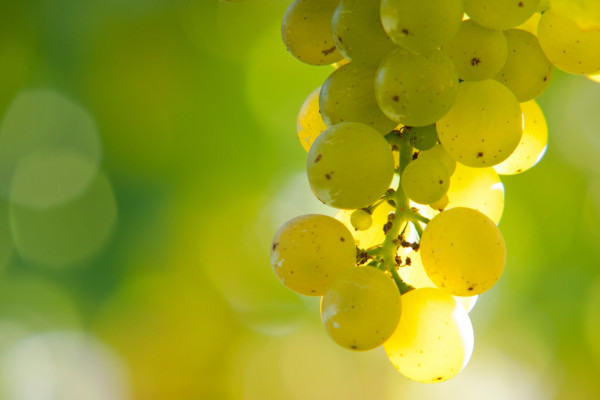
Producing premium wines
New Zealand is famed for its wines. The New Zealand wine industry went through transformational change from the 1960s and research activities enabled the expansion from a small artisanal domestic industry into a strong, highly professional export sector.
-
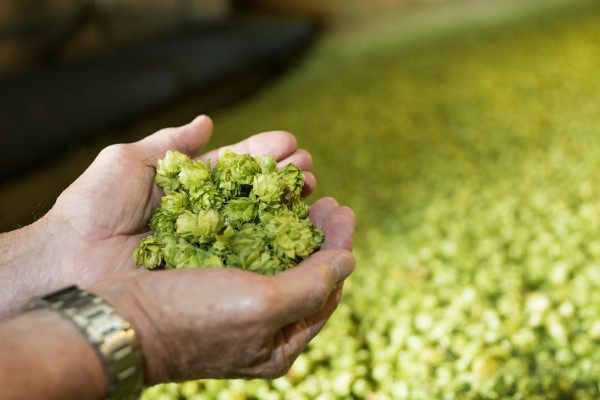
Hops with global appeal
Behind the distinctive flavors of many New Zealand brewed beers sits more than seven decades of hop science. New Zealand produces some of the most sought after hops in the world, most of them bred at a research station near Motueka at the top of the South Island.
-
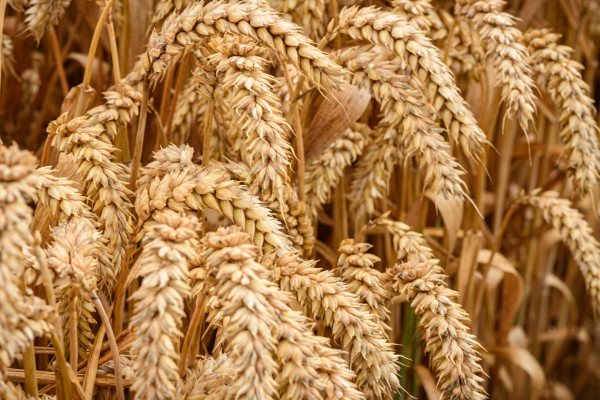
The science behind a consumer staple
New Zealand has a long history of growing wheat, with the first breeding efforts led by scientists at the DSIR dating back to the 1920s. The current wheat breeding programme, delivered in partnership with Luisetti Seeds, is helping transform wheat production to meet the needs of modern farming, milling, and consumers.
-
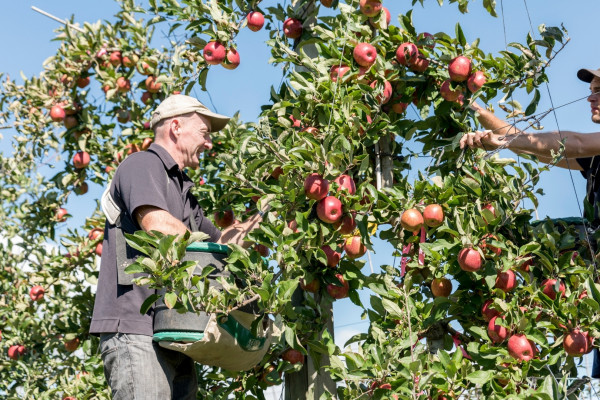
New Zealand apples on the world stage
In your fruit bowl, you're likely to have an apple that was bred on a research orchard in New Zealand. From Royal Gala, which was launched in the 1960s, to JAZZ™ and ENVY™ branded apples in the 2000s, to recently commercialised varieties like the pink-fleshed FIZZ™ branded apple, New Zealand apples are enjoyed around the world.
-
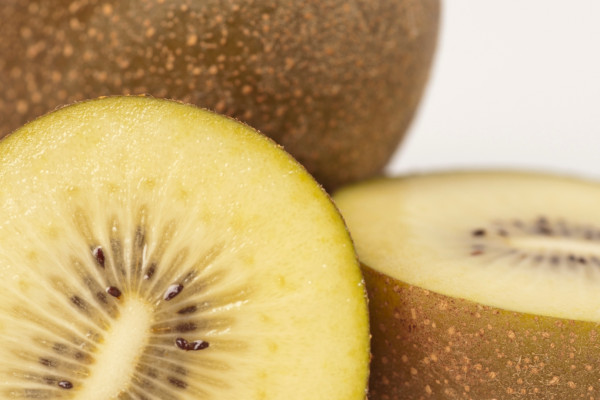
The golden age of kiwifruit
Our unique golden-fleshed kiwifruit are enjoyed by people in more than 50 countries, including those living at Scott Base in Antarctica.
-
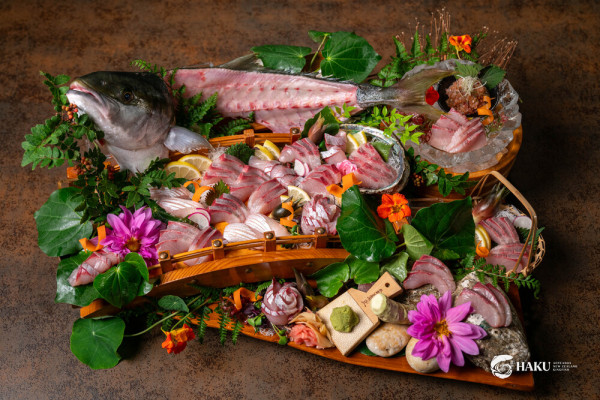
High quality Haku on the menu
Twenty years of research leads to new aquaculture industry