
Conserving New Zealand
Research works to protect New Zealand’s unique flora and fauna and keep the natural environment healthy.
-
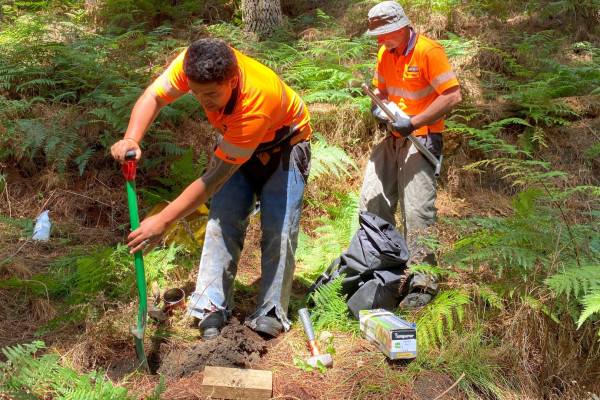
Shaping smarter land use decisions for New Zealand
For nearly 30 years, the Pakuratahi land-use study has compared forestry and pastoral farming across real catchments – enhancing New Zealand’s understanding of how different land uses impact the environment.
-
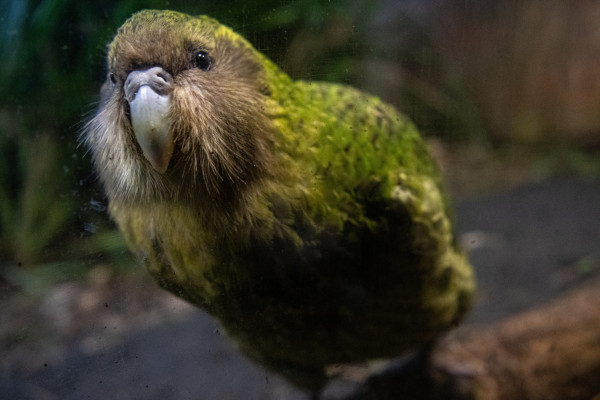
Expanding the range of the kākāpō
Kākāpō, found only in Aotearoa New Zealand, are critically endangered, flightless, nocturnal, and the heaviest parrots in the world. Kākāpō quickly disappeared from most of the country after the introduction of predatory mammals. By 1995, they were down to the last 51 individual birds. After intensive efforts to save them from extinction there are now about 250 kākāpō confined to three small, predator-free islands.
-
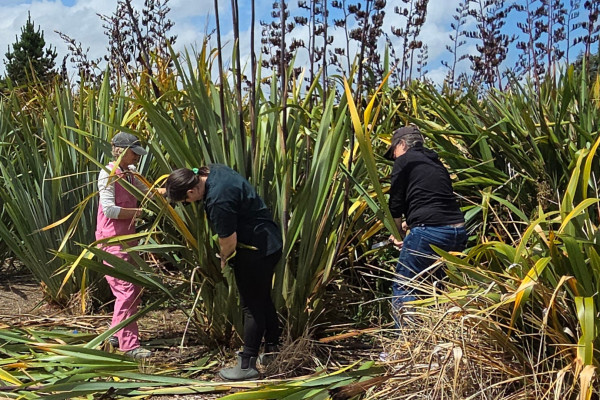
The flax of the matter
In the early 1960s, Rene Orchiston began collecting harakeke, recognising its remarkable diversity and its importance to her Māori friends.
-
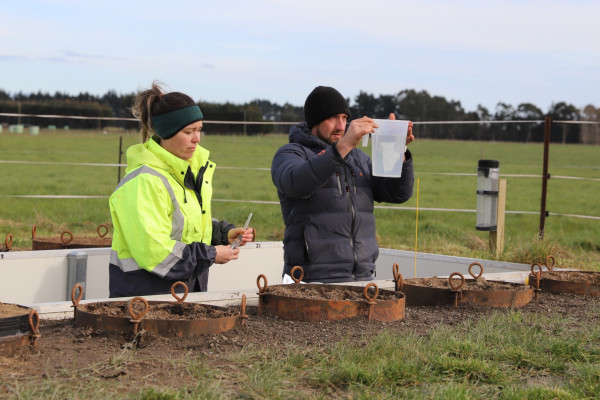
Solving winter grazing challenges
As farming intensified across New Zealand in the 1990s, a new challenge emerged: how to keep waterways clean while maintaining productive farms.
-
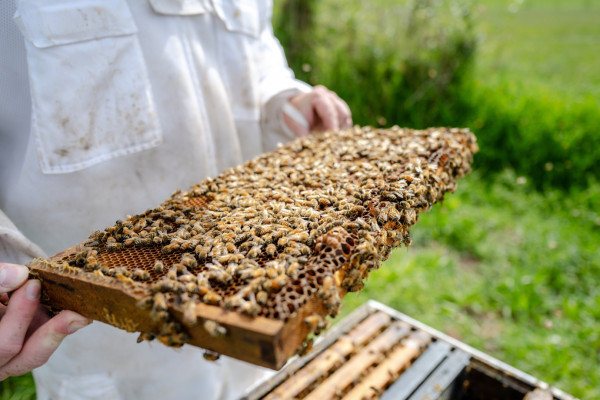
Science for healthy honeybees
Aotearoa New Zealand’s honey exports generate around $425 million annually, but honeybees contribute far more to our food system than just the liquid gold they produce. They pollinate a wide range of crops, from our favourite fruits and vegetables to plants eaten by livestock.
-
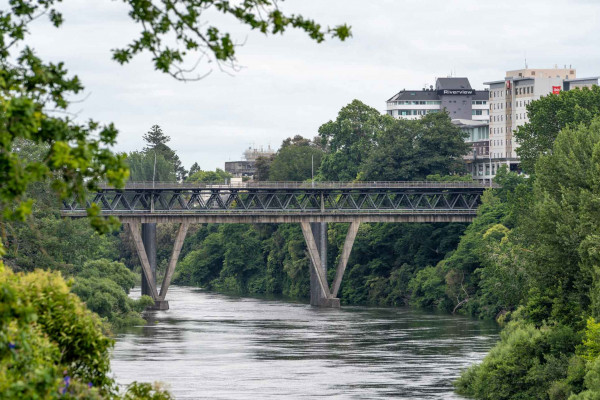
The shape of water
How a national framework supports river science and management
-
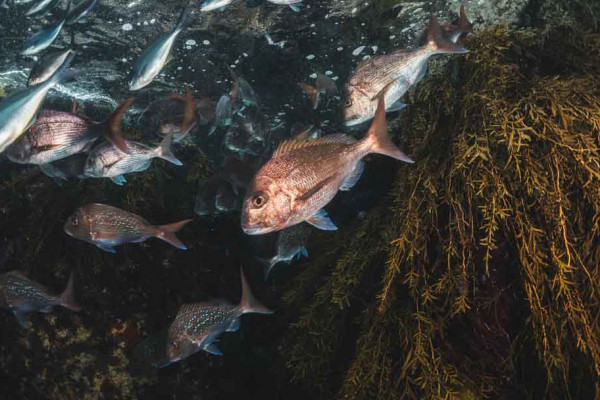
Science supporting effective fisheries management
Effective fisheries management depends on scientific analysis
-
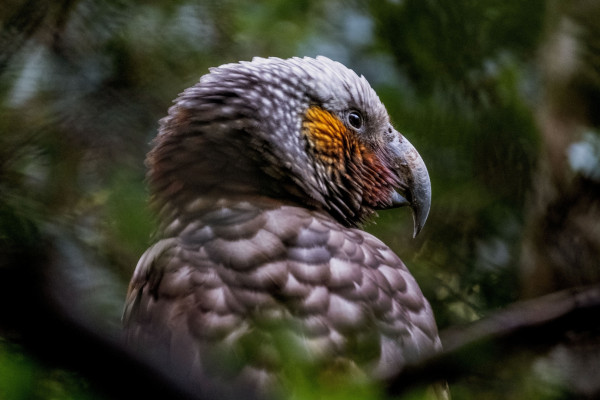
Conserving our iconic birds
New Zealand’s iconic endemic birds – found nowhere else on earth – include many critically endangered, endangered, vulnerable and at-risk species.