Changing the way the world identifies Illicit drugs within communities
PHF Science’s Drugs in Wastewater programme is the most comprehensive wastewater testing programme in the world. Analysing wastewater for the presence of specific illicit substances provides a reliable picture of drug-use trends over time. In 2024, wastewater data detected a sharp spike in methamphetamine consumption, doubling over winter, alongside ongoing increases in cocaine use across the country. Laboratory testing by PHF Science, alongside analysis led by the National Drug Intelligence Bureau, and funded by the Police, this nationwide drug testing programme informs drug policy and guides more efficient drug harm reduction initiatives.
Samples of wastewater provided by councils are tested to estimate the volume of drugs consumed in a community. Because many of the chemicals, illicit drugs and microorganisms we are exposed to in our environment are absorbed, metabolised, and excreted in urine and faeces, they become detectable in wastewater. By monitoring the presence and levels of these ‘biomarkers’, PHF Science researchers are providing valuable input into wider, multi‑agency analysis and helping understanding of community‑level drug use, health impacts, and emerging trends.
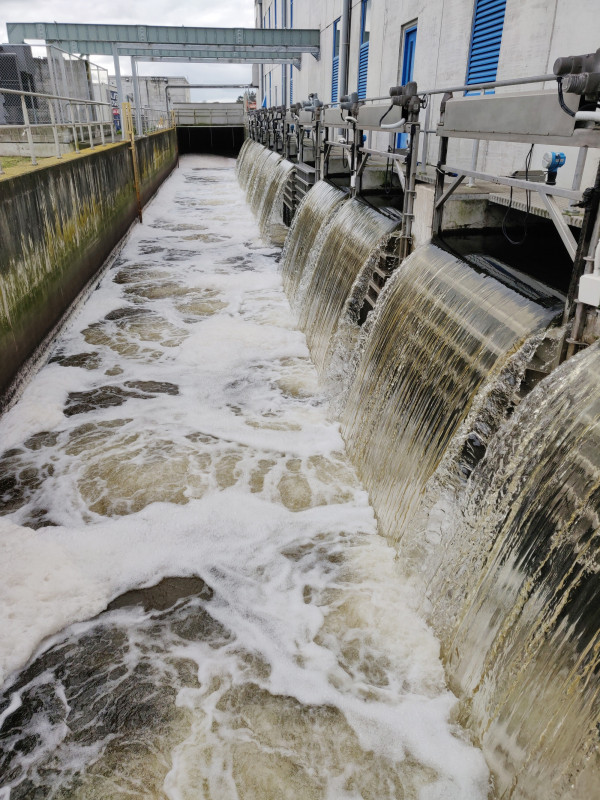
For every drug we test, PHF Science looks for the unique metabolite the body produces after the drug is consumed. These metabolites act as highly specific and sensitive markers, allowing detailed and consistent insights to be drawn from wastewater samples across the country.
Beyond drug monitoring, PHF Science can analyse wastewater for many biomarkers such as alcohol, nicotine and mycotoxins. When COVID-19 hit New Zealand, PHF Science rapidly deployed wastewater analysis to track the virus in our communities, earning global recognition.