
Fighting against parasite resistance
For nearly two decades, scientists have warned that drench resistance would become a major threat, and are helping the New Zealand livestock industry respond to one of its biggest challenges ever.
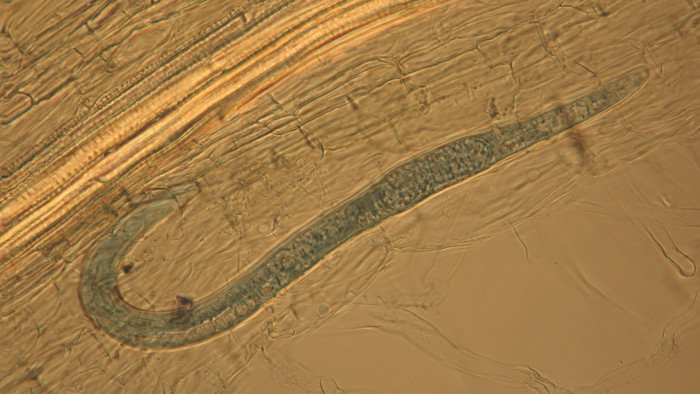
Science has helped tackle drench resistance in livestock, including through a DNA-based method to identify nematode larvae to species level.
A sheep drench is a liquid medication given to sheep orally to kill or control internal parasites living in the sheep’s gut. Parasitologists have spent more than 20 years uncovering how resistance to drench develops, the farm practices that accelerate or slow it, and the alternative tools needed to reduce chemical dependence. This work is internationally recognised as among the most advanced in the field. A standout achievement is the validation of a DNA‑based method that identifies nematode larvae to species level. Traditional microscopy examines only around 100 larvae, but this DNA technology can analyse thousands of larvae from hundreds of samples simultaneously — delivering rapid, accurate, and cost‑effective results that strengthen on‑farm decision‑making and improve drench‑resistance monitoring.
At the same time, New Zealand’s CARLA® Saliva Test is enabling farmers to breed animals with stronger natural immunity. High‑CARLA animals shed fewer worm eggs, grow more efficiently, and reduce pasture contamination — helping shift the industry toward more sustainable parasite control with fewer drenches.