
How the electric fence sparked new ways of farming
Rotational grazing has become one of New Zealand’s most important ways to farm productively and sustainably. It involves moving animals between paddocks to give pasture time to recover and regrow. Its success was made possible by a scientific breakthrough in the 1960s that transformed how livestock could be managed on pasture.
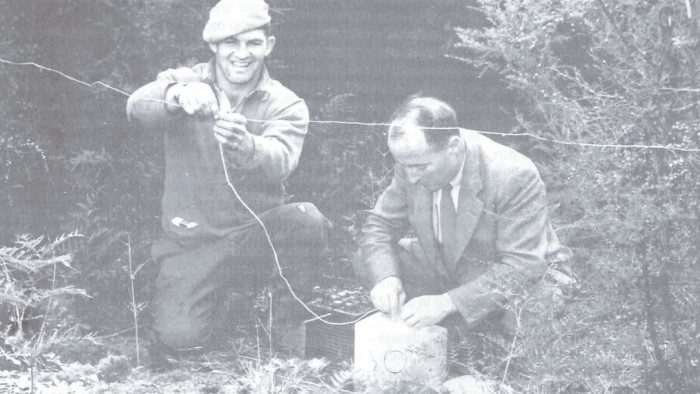
The development of the unshortable electric fence was a gamechanger for farmers that gave rise to rotational grazing.
That breakthrough was the unshortable electric fence, with a design that kept fences working even when grass touches the wire or in wet conditions.
With reliable electric fencing in place, farmers could subdivide paddocks more easily and shift animals with precision, unlocking the benefits of controlled rotational grazing. This gave farmers much greater control over how pasture was used.
This system increased milk production per hectare by 5-10% – meaning more milk could be produced from the same land – and pasture could be used more efficiently, with less waste. These advances reshaped New Zealand’s dairy sector.
The innovation also seeded a thriving agritech industry, with New Zealand electric fencing companies now supplying over half of global exports.
Today, rotational grazing is entering a new era. GPS-enabled virtual fencing is doing for the 2020s what the unshortable fence did for the 1960s – reducing labour, increasing flexibility, and giving farmers real time control over where animals graze.