
Producing premium wines
New Zealand is famed for its wines. The New Zealand wine industry went through transformational change from the 1960s and research activities enabled the expansion from a small artisanal domestic industry into a strong, highly professional export sector.
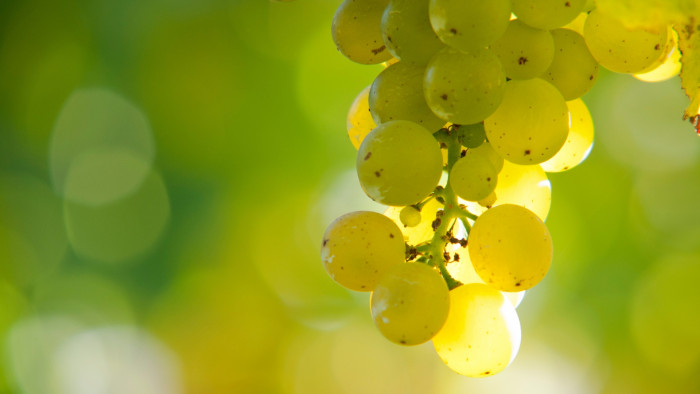
New Zealand's wine sector has grown from an artisinal domestic market to a global success
Science to support the emerging wine industry was established in the early 1970s. This included world-leading grapevine canopy management research which still influences and informs best-practice viticulture around the globe today. Scientists advised winemakers on the right vines for their land, provided premium grape varieties vines free from disease, and investigated how different winemaking practices influenced wine quality and style.
As grape growing expanded into Marlborough in the 1970s and Otago in the 1980s, research focused on how best to grow grapes and make wine to reflect these new regions. Scientists investigated the unique characteristics of Marlborough Sauvignon blanc, now the country’s flagship variety, and how viticulture and winemaking can influence distinct flavour profiles and enable the production of low alcohol wines.
Science is continually informing the adaptation of grower toolboxes, supporting the inclusion more natural controls to manage insect pests and limit diseases that impact on wine quality. New research is investigating winegrape genetics better adapted to warming temperatures and increased disease pressure, as well as how the changing climate will influence the future footprint of winegrowing in New Zealand.