
Stopping the staggers
For decades, New Zealand farmers watched their animals grazing on lush perennial ryegrass suddenly stagger, collapse, and injure themselves. The condition became known as ryegrass staggers, and for years its cause remained unknown. It was unpredictable, distressing, and costly for farmers.
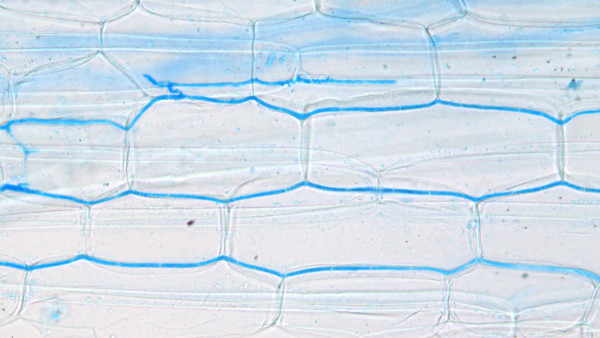
Researchers discovered safer endophytes in grass, helping reduce the risk of ryegrass staggers in livestock.
The breakthrough came in 1981, when scientists discovered that a microscopic fungus living inside the ryegrass (an endophyte) was responsible. This fungus helps protect pasture from insects, but some types also produce toxins that harm livestock. Removing them altogether wasn’t an option. Without endophytes, pastures would be badly damaged by insects and struggle to survive.
Instead, scientists took a bold new approach, searching for safer types of endophytes. Drawing on expertise across biology, chemistry, plant breeding and animal science, the team screened ryegrass seed from around the world. After years of research, they found something extraordinary – AR37.
Developed by researchers for commercial use through Grasslanz Technology, AR37 proved to be a rare win-win. It protected ryegrass from five of the six major pasture insect pests, increased pasture growth by around 12 percent and greatly reduced ryegrass staggers in livestock.
These benefits meant healthier animals, more reliable milk and meat production, and better-performing pastures – and an estimated $3.6 billion return to the New Zealand economy.
Today, the science continues, looking at whether gene editing tools can be used to make precise DNA changes to endophytes – further improving plant protection and reducing harm to livestock as climates change.