
How science has changed timber building in New Zealand
Walk through almost any modern New Zealand home and you’ll find H1.2 boron‑treated timber used for framing. It’s a standard, affordable and trusted material with decades of scientific research behind it that has reshaped how we build safer, longer‑lasting homes.
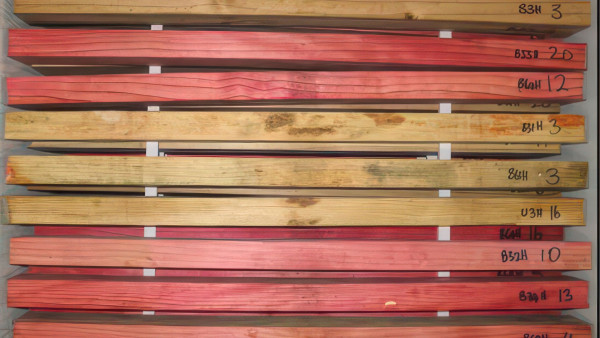
H1.2 boron‑treated timber is the default choice for framing in NZ homes.
New Zealand relies heavily on radiata pine for construction. While plentiful and versatile, it isn’t naturally durable and needs treatment to protect it from insects and fungal decay. Developed by New Zealand scientists in the 1930s, treating green pine with boron is now a globally accepted as an effective, low toxicity option for treating timber.
In the mid‑1990s, building rules changed to allow untreated framing timber, based on the belief homes would stay dry. When moisture did get in – due to design flaws and changing building methods – the timber quickly deteriorated, contributing to the leaky homes crisis. Untreated timber didn’t cause the leaks, but it made the damage worse.
New rules introduced multiple treatment options but led to many builders defaulting to stronger chemical treatments than necessary. Science helped cut through that confusion, with long‑term testing of timber treatments in real‑world conditions. Results showed H1.2 boron‑treated timber provides enough protection for framing, even if it gets wet occasionally, to ensure leaks can be found and fixed before serious damage occurs.
Today, H1.2 boron‑treated timber is the default choice for framing, with higher treatments used only where genuinely needed. The benefits are wide‑ranging: lower building costs, less chemical exposure, clearer rules and better homes overall.