
A surprising use for seaweed
Many of the species that call the ocean home – fish and seaweed, for example – have developed unique characteristics that allow them to survive in this environment. This means they produce valuable compounds that have a range of uses. Scientists are finding ways to identify, extract and process these compounds for New Zealand manufacturers to use.
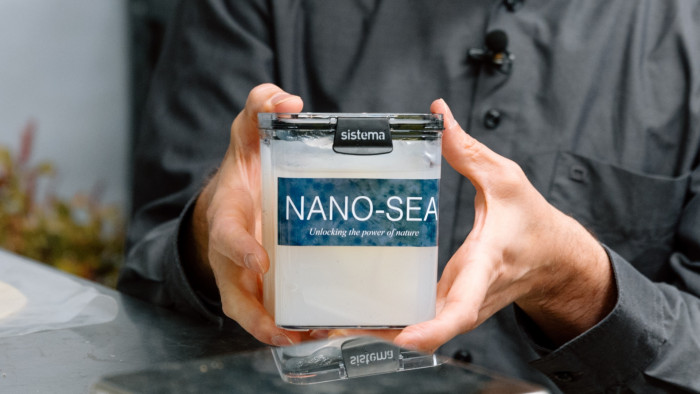
Nanocellulose can be ued in medical, agricultural, manufacturing and cosmetic products
This science has contributed to the development of the world’s first commercial seaweed nanocellulose biorefinery, right here in New Zealand. Owned by Agrisea, the biorefinery produces a highly versatile material that can be used in medical, agricultural, manufacturing and cosmetic products on a global scale.
Scientists are also investigating whether seaweed can be used to give plants an “immunity boost”. Sugars in seaweeds have been found to make plants makes them less susceptible to disease and could make them more robust to environmental stress, such as drought, flooding or long periods of high temperatures, which are increasingly likely as the climate changes. Incorporating these into crop protection products could guard against multiple types of diseases and reduce the need for synthetic chemicals.
Other research has shown marine collagen from fish also has useful properties. It can be extracted and spun into fibres with uses ranging from air filters to medical systems. One product, produced by New Zealand company DermaLayr, uses electrospun collagen nanofibres to form a material used by cosmetics companies to make face masks which particularly appeal to the Korean and Chinese markets.