
Unravelling the benefits of wool
Wool is an extremely versatile fibre and has been a core component of New Zealand’s agri-business since sheep were first introduced for farming in the 1840s. Since then scientists have been quietly unlocking new value from wool – not by changing what wool is, but by better understanding what it can do. From innovative textiles and advanced composites to biomedical materials, these discoveries have helped expand the value of wool.
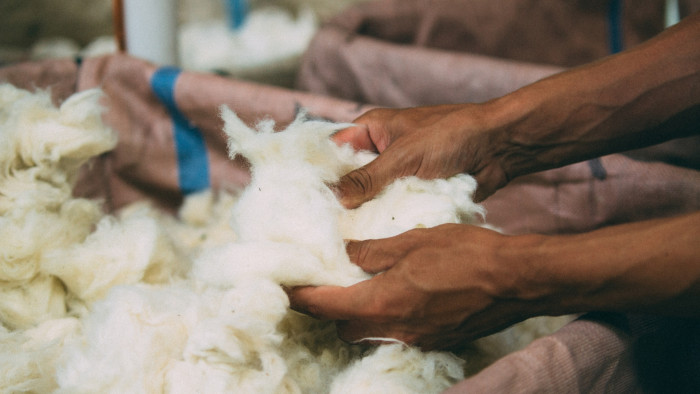
Science has helped unlock the potential of New Zealand wool.
Research programmes over many decades have driven breakthroughs in fibre quality, processing, and product development, helping New Zealand wool compete on international markets. Scientists have also studied how wool performs in everyday use including durability, environmental impact, and human safety.
Research has shown that wool is readily biodegradable, has naturally fire-resistant qualities, has anti-odour properties and can be reused or recycled – making it well-suited to a low-waste, circular economy.
New Zealand scientists were especially influential in exploring new uses for strong wool – traditionally used in carpets and upholstery – opening new markets and opportunities for growers and business alike. These new uses are helping create more value from wool.
More recently, scientists have gained a deeper understanding of how wool works at a biological level, opening up new possibilities for its use. Through their knowledge of keratin, the protein that gives wool its strength, scientists have developed a product called Keratinite, a natural binder that could replace the formaldehyde-based resins used in produces like particleboard. The new product can be made from keratin-rich waste materials like feathers, animal hair, or wool.
Scientists have also explored how a wool layer next to the skin responds to flame and intense heat. One study showed that wool garments can lessen the severity of burn injuries compared to some standard-base layer clothing used by emergency and defence personnel.