
Groundwater science protecting New Zealand’s drinking water
Forty per cent of New Zealanders rely on groundwater for drinking water. This comes with challenges, as groundwater is slow-moving, feeds many environments such as estuaries and can take decades to clean once it’s contaminated.
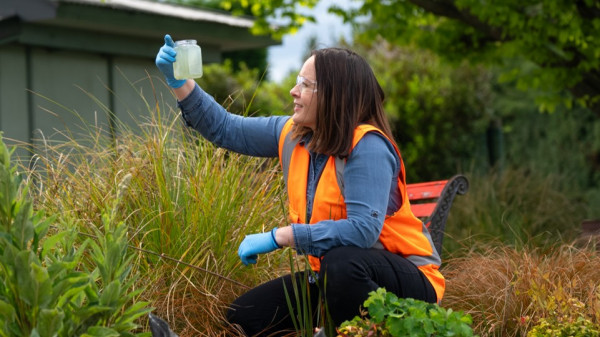
Since 1990, PHF Science principal scientist Murray Close (then at DSIR) has led a national groundwater survey every four years. Hundreds of wells are sampled nationwide, selected based on an aquifer's importance to a region, its use and the area's pesticide storage. The surveys assess the extent of contamination and how pathogens move through water systems, testing for nitrogen, phosphorus, pathogenic bacteria, viruses and pesticides.
Early survey results had a major national impact. They revealed widespread legacy contamination from pesticides such as Dieldrin, historically used in sheep dips. Although banned in the 1960s, DSIR science demonstrated that these chemicals persisted in soils and continued to flow into groundwater, at levels which could harm human health.
This evidence directly informed stronger pesticide regulation and land-management practices. It contributed to tighter controls on hazardous agrichemicals, targeted remediation of legacy sheep‑dip sites and improved protection of drinking‑water supplies. Once the new regulation came into effect, subsequent surveys documented clear environmental gains, showing reductions of high‑risk pesticides in groundwater.
By 2018, health risks from currently used pesticides were generally low, with only trace detections of modern compounds—demonstrating the effectiveness of science‑led regulation. Today, the programme continues to inform proactive policy through monitoring emerging contaminants such as PFAS (forever chemicals), ensuring long‑term protection of New Zealand’s most relied‑upon drinking‑water source.