Forensic DNA technology helps reunite families after disasters
New Zealand’s expertise in DNA matching to solve crime has contributed to the development of software technologies that support disaster victim identification (DVI).
DNA profiling is one of three primary methods for identifying victims after natural disasters alongside dental records and fingerprints. In practice, DVI primarily relies on reference DNA samples from relatives to confirm identities. Advances in DNA technology—such as the use of PHF Science STRmix™ to interpret complex or low-quantity DNA—enable forensic scientists to collect, preserve and process DNA information quickly and accurately, maximising the recovery of genetic information from disaster victims.
PHF Science supported Thailand after the 2004 Boxing Day tsunami by developing a disaster victim preparedness software package. PHF forensic scientists worked for several months in Bangkok to help process difficult samples (including tissue and bone) and to assist with DNA profile data used to identify victims.
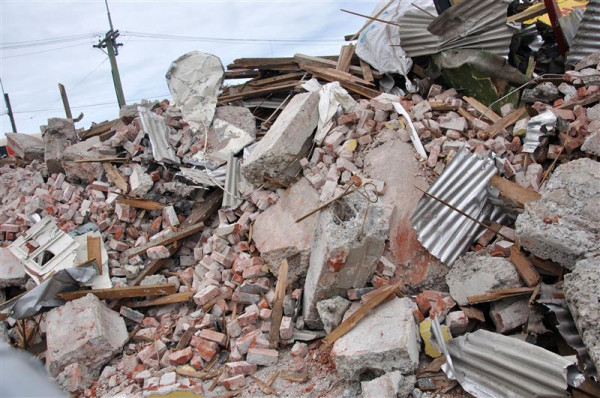
PHF Science staff also assisted during the 2011 Christchurch earthquake, helping create and implement DVI software and workflows in New Zealand. We feel privileged to have supported efforts that reunited the majority of the 181 victims with their loved ones.
PHF Science's STRmix™ team has developed new technologies such as DBLR™ which further advance our capability to support disaster victims.