Evolution of DNA profiling technologies game-changer in solving crimes
Advances in DNA profiling solves more crimes, helping keep New Zealand safer and bringing justice for families.
PHF Science’s DNA profiling technologies have improved the way the world understands forensic evidence and solves cases. This includes building a national DNA database that now matches 70% of crime scene samples with suspect profiles.
By the late 1980s, New Zealand forensic scientists, led by Dr Margaret Lawton and working with UK colleagues, introduced the first generation of DNA profiling, based on methods pioneered by British geneticist Sir Alec Jeffreys. This allowed forensic examiners to distinguish one individual from another and assess the likelihood of a person’s involvement in a crime.
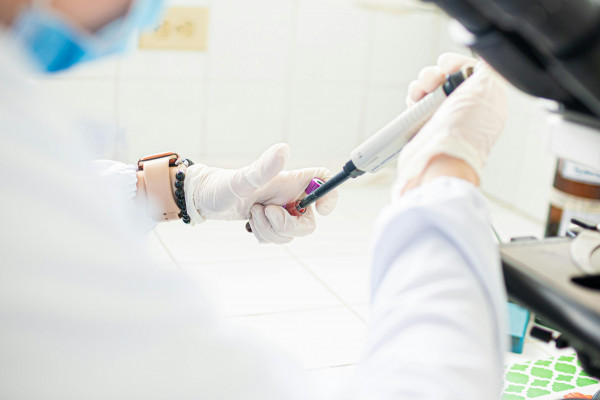
Building on this momentum, in the early 1990s, the polymerase chain reaction (PCR) technique revolutionised forensic analysis by generating a DNA profile from just a few biological cells.
In the mid-1990s, PHF Science (then ESR) helped establish the world’s second national DNA databank, allowing crime scene DNA to be matched to profiles from individuals. Soon after its establishment, New Zealand’s first homicide case was solved using database linkage (Operation Sundown) by matching DNA found under the victim’s fingernails to a suspect. In 2022, more than 200,000 blood samples and 40,000 individual DNA profiles were in the databank, with a 70% match rate between crime scene DNA and databank profiles.
Forensic innovation hasn’t slowed. Further advances include Low Copy Number (LCN) analysis, an ultrasensitive technique for detecting tiny traces of DNA—and Y-STR analysis, which targets male specific DNA to support sexual assault investigations. PHF Science innovations such as STRmix™, enabling complex DNA mixtures to be interpreted, have advanced forensic science capability nationally and around the world. Together, these tools have significantly improved the ability of forensic scientists and Police to solve serious crimes.