DNA tracing led scientists to the source of world’s largest documented campylobacteriosis outbreak
DSIR, ESR and now PHF Science have throughout their existence supported investigations of drinking water related outbreaks caused by a range of organisms including Cryptosporidium, Giardia, norovirus and Salmonella. But the most frequent outbreaks in Aotearoa have been those caused by the bacterium Campylobacter. Campylobacter causes Campylobacteriosis that has serious symptoms such as diarrhoea, fevers, vomiting and, in some cases, can lead to chronic illness.
In 2016, PHF Science supported the response to the Havelock North emergency, which is now recognised as the world’s largest campylobacteriosis outbreak, effecting more than 8,000 people with four fatalities.
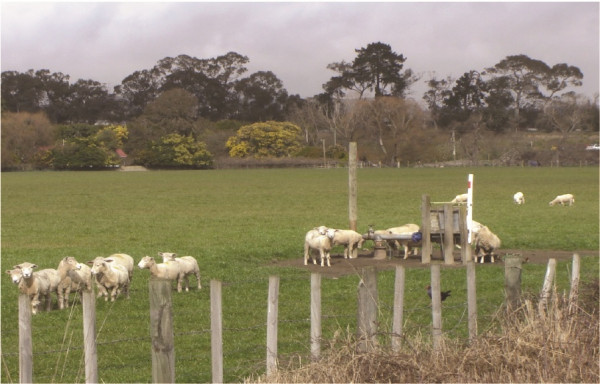
A combined effort in epidemiology (case interviews), microbiology (lab tests), DNA analysis (whole‑genome sequencing) and groundwater science built a comprehensive picture of what happened. After heavy rain, sheep faeces carrying Campylobacter jejuni were washed off paddocks into an underground aquifer used as the untreated drinking water supply for Havelock North. DNA results showed the bacteria from patients, the water and nearby sheep were connected, explaining the source of the bacterium. The groundwater tracing mapped the route of bacterial transmission.
This outbreak fundamentally changed water management in New Zealand and highlighted the importance of a multi-barrier approach to drinking water safety. In 2018 changes were made to chlorination requirements and the classification of secure groundwater for most public supplies. A new national drinking water authority was established in 2021, Water Services Authority | Taumata Arowai, overseeing the regulation and management of drinking water and wastewater by city councils.