
Radiation risks mapped: helping address cause of lung cancer
PHF Science are New Zealand’s expert advisers on radiation safety. Our scientists test for radioactivity in food before export, monitor radioactivity in the environment, and train and support the safe use of radiation in medicine and other industries.
Currently, the PHF Science National Centre for Radiation Science (NCRS) is building on previous research that began in 1988, investigating community exposure to the radioactive gas radon and its effects on health.
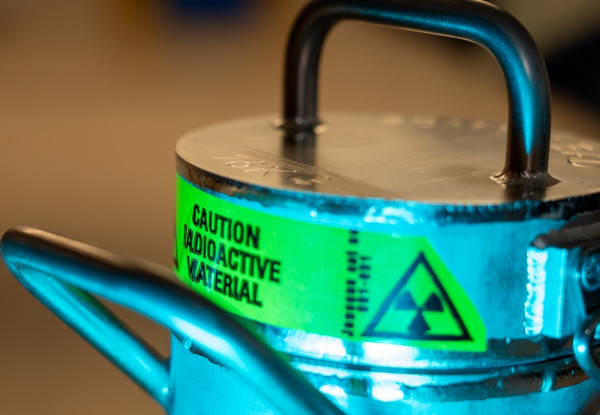
Radon is an invisible, naturally occurring radioactive gas emitted from uranium found in soils and rocks. It can seep into buildings and other enclosed, underground spaces. If these radioactive particles are inhaled, they may damage lung cell DNA, which can lead to the development of lung cancer. Radon exposure is the second leading cause of lung cancer, one of the most common and lethal cancers in Aotearoa.
To better understand and manage the risk of radon exposure, the PHF Science NCRS team monitors radon concentrations in indoor workplaces and people’s homes. Outdoors, radon quickly dilutes to very low concentrations and is generally not a problem. Increasing ventilation indoors or installing plastic radon barriers can help reduce high concentrations. This research will help to raise community awareness of the risk of radon, while providing accurate advice to the Ministry of Health.