
How PHF Science helped stop a deadly listeria outbreak at New Zealand hospitals
Listeria monocytogenes is a bacterium that can cause severe illness, especially in the elderly, pregnant women, newborns and those who are immunocompromised.
In 2012, a sudden cluster of four listeriosis cases occurred at a hospital, with two deaths, prompting immediate action. PHF Science used a DNA “fingerprinting” technique, pulsed‑field gel electrophoresis (PFGE), which revealed that the cases were infected with five completely different types or strains of listeria. There didn’t seem to be any obvious links between the cases, so the investigation could have stopped there. But PHF Science was running a nationwide microbiological survey of ready‑to‑eat meats for listeria. Using PFGE analysis, they identified a match between the listeria from patient cases with listeria isolated from a local food manufacturer.
When testing linked several patients’ listeria infections to a single ready‑to‑eat meat producer, all products nationwide from that supplier were recalled straight away. The hospital—which had been using the meat in its cafeteria—then switched to preparing its own ready‑to‑eat meats.
The manufacturer was prosecuted, setting a clear expectation for food safety across the industry. Just as importantly, clinical advice changed. Before this outbreak, cancer patients, pregnant women and people taking medicines that weaken the immune system were not routinely told to avoid ham and other higher‑risk foods. That advice is now standard practice and continues to prevent serious illness and deaths.
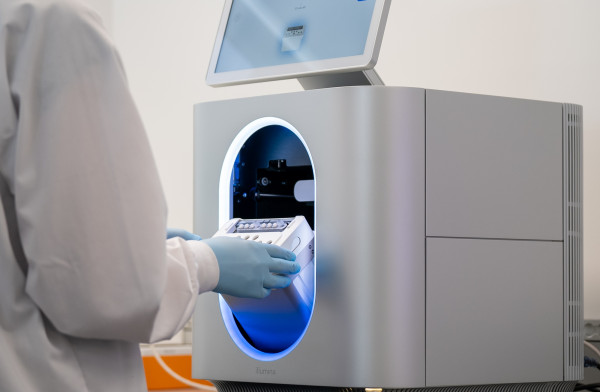
PHF Science now uses whole-genome sequencing instead of PFGE, which allows even more sensitive identification of outbreaks and linkages with food, water and environmental sources of infection. This example is just one of many where our testing and data linkage innovations have helped identify the source of food-related outbreaks in Aotearoa, keeping people safe and reducing the risk of infection.