
Using science to build healthy homes
For more than a century, New Zealand scientists have worked behind the scenes to make New Zealand homes warmer, healthier and more energy‑efficient — improving everyday life for thousands of families.
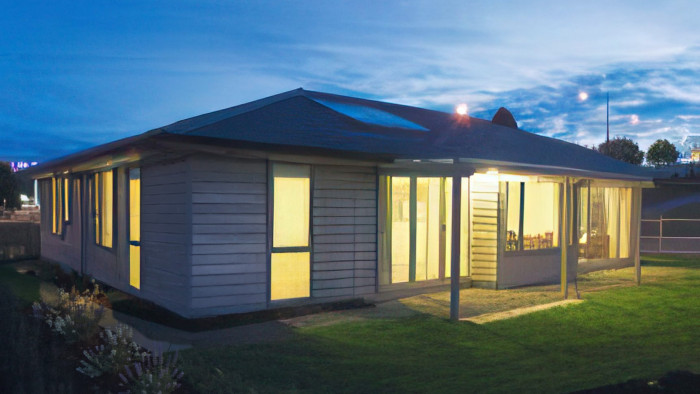
Science has helped deliver healthier homes for New Zealanders.
In the early 2000s, the ground-breaking Now Home project helped explore how locally sourced, renewable building materials could improve home performance while reducing environmental impact and maintaining build cost. Scientists monitored the temperature, humidity and energy use of a purpose-built house and assessed how design choices and material selection affected comfort and health outcomes.
This science underpinning the Now Home showed well‑designed homes improve health and save energy. Research shows it still outperforms many modern new builds in energy efficiency. The Now Home stayed warmer and drier with significantly less energy, reducing dampness and mould that can cause respiratory illness, particularly in children and older people.
It also showed smarter design and better materials can deliver healthier homes without sacrificing affordability or familiarity. Timber‑based solutions performed well, reinforcing the potential of wood as a modern, high‑performing building material suited to New Zealand’s climate.
This was part of the Beacon Pathway programme, which created practical design principles that influenced how homes were built across New Zealand. These principles were later adopted into government housing design briefs, helping shape healthier social housing at scale.