
Taking a walk in an experimental forest
Just 50 minutes’ drive from Rotorua is the Puruki Experimental Forest, planted for and dedicated to science that has been key in shaping New Zealand’s forestry sector.
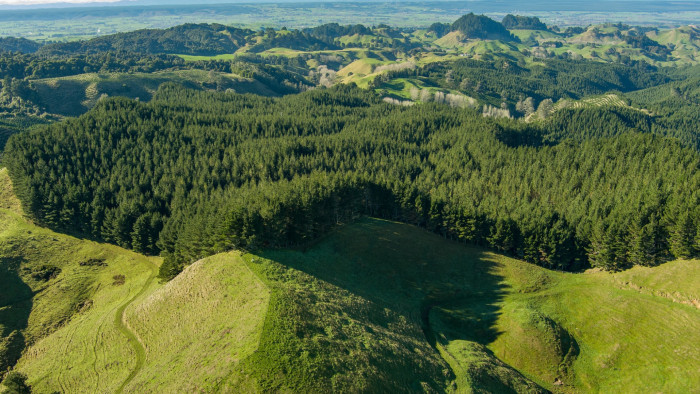
Forest science supports resilient land-use decisions
Established in 1968 as part of an international effort to understand land use change effects on water quality and yield, Puruki has enhanced scientific understanding of catchment hydrology, forest health, carbon sequestration and productivity. It was also an early test site for remote sensing techniques now used in forestry.
It delivers long-term, integrated evidence that underpins sustainable forest management, informs national policy and supports resilient land-use decisions in the face of climate and environmental change, making it one of New Zealand’s most important long-term forestry research sites.
Puruki has provided rare datasets across two planted radiata pine rotations and has been a valuable demonstration forest for the sector. The robust data enables researchers to quantify management practices’ influence on water flows, nutrient losses, carbon sequestration, soil conditions, biodiversity and the delivery of ecosystem benefits. These insights have strengthened predictions of environmental outcomes and productivity, supporting a sustainable timber resource and reducing pressure on New Zealand’s indigenous forests.
The next 50 years will be equally ambitious, with a new mixed-species trial. This next rotation will generate critical evidence to guide the diversification and resilience of New Zealand’s planted forests.
The work at Puruki builds on research dating back to the 1890s, when more than 60 exotic species were trialled to identify those suited to New Zealand conditions. This early work underpinned a sustainable timber resource and reduced pressure on indigenous forests.