
The science behind a consumer staple
New Zealand has a long history of growing wheat, with the first breeding efforts led by scientists at the DSIR dating back to the 1920s. The current wheat breeding programme, delivered in partnership with Luisetti Seeds, is helping transform wheat production to meet the needs of modern farming, milling, and consumers.
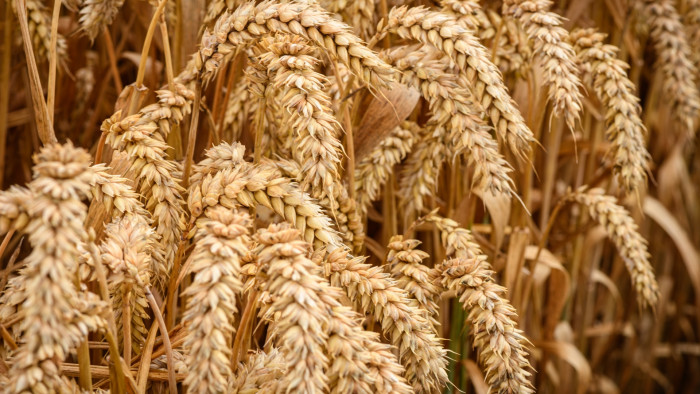
Scientists are developing wheat varieties that are responsive to changing market needs
In 1926, wheat was grown on approximately 89,000 hectares nationwide with average yields of 2.4 tonnes per hectare. Today, the crop is grown on around 46,000 hectares, yet average yields for milling wheat have increased to around eight tonnes per hectare in the North Island, and 10 tonnes per hectare in the South Island. This increase reflects decades of targeted breeding for disease resistance, yield stability, and performance in New Zealand conditions.
Around half of the milling wheat varieties currently grown domestically were bred specifically for New Zealand conditions, with 4 new milling wheat varieties emerging from the wheat breeding programme in the last 10 years. Modern breeding priorities extend beyond yield alone, with scientists developing varieties that are responsive to changing market needs. This includes improving grain quality and exploring traits such as lower gluten content to improve digestibility for consumers with gluten sensitivity.
In 2025 a campaign was launched by industry groups to make it easier to identify food products produced with New Zealand grown grains. When consumers buy bread made from New Zealand wheat, they support local growers benefiting from high performing New Zealand bred varieties developed through long‑term scientific investment.