
Defending New Zealand from invasive weeds
From hill country pastures to fragile native ecosystems, invasive weeds are a quiet but relentless threat. Science has been central to New Zealand’s ability to not only hold the line, but increasingly to stay ahead.
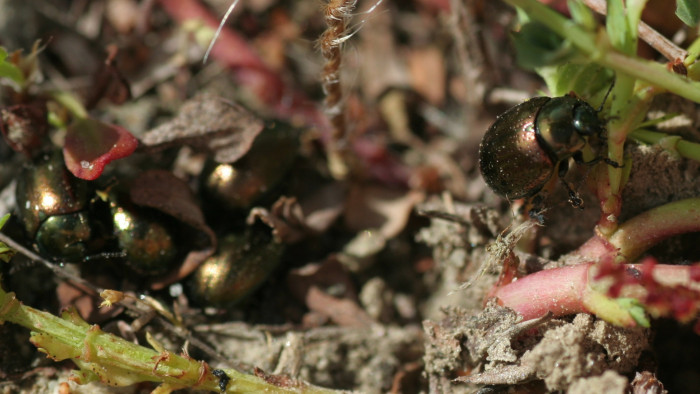
Science has helped find natural biocontrol agents to tackle invasive weeds, such as the St John’s wort beetle, saving millions of dollars in production losses.
Spreading silently by wind, water and livestock, invasive weeds suppress pasture production, displace native species and steadily erode biodiversity. Left unchecked, their impacts escalate quickly, placing growing pressure on farmers, regional councils and ecosystems.
For decades, scientists have been at the forefront of the response. Their work has helped detect, control and contain some of the country’s most damaging weed incursions before they become widespread and unmanageable.
Partnership has been critical to this success. By working closely with farmers, iwi, regional councils and industry, scientists have created practical, on‑the‑ground solutions. This collaborative approach has strengthened the control of some of New Zealand’s most economically damaging pasture weeds, including Californian thistle, giant buttercup and nassella tussock.
World‑leading biocontrol research has been a cornerstone of these efforts. Beetles released to combat St John’s Wort in the 1940s and 1960s continue to save farmers around $15 million each year, making a once‑devastating pasture weed manageable. Similar long‑term biocontrol programmes have delivered lasting economic and environmental gains, while reducing reliance on chemical control.
Today, that legacy is being extended through innovation in artificial intelligence. AI‑enabled models now help rapidly assess the invasive risk of tens of thousands of exotic plant species, helping identify potential “sleeper weeds” early before they become costly invasions.
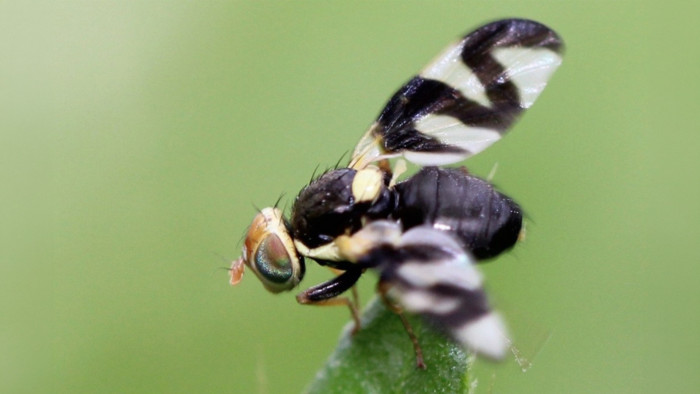
Californian thistle gall fly. Image: Aleksandrs Balodis CC BY 4.0