Stopping tiny hitchhikers
With thousands of people and goods arriving in New Zealand each year from around the world, it’s vital to ensure no unwanted pests, weeds and pathogens slip through our borders.
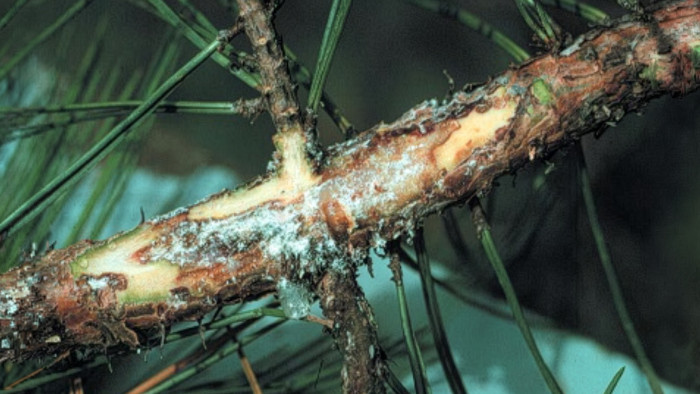
Science tools are keeping pathogens like pine pitch canker out of New Zealand
Science has been key in protecting New Zealand from biosecurity threats that pose serious risks to our environment, primary industries, economy and way of life.
For decades, our scientists have helped shape a border biosecurity system that’s world-leading.
Scientific research, in partnership with government and industry, has strengthened our border defences, enhanced surveillance, and enabled rapid, decisive responses to emerging threats. As global travel and trade have increased, biosecurity risks have become more frequent and complex. In response, science has evolved, drawing on advances in pest and disease biology, pathway analysis and hazard identification.
AI‑enabled screening tools and risk‑ranking models now help prioritise threats, target surveillance, providing earlier warnings across borders and landscapes. Breakthroughs in diagnostics and biological control have further transformed how incursions are managed. Rapid, DNA‑based tools enable faster and more accurate identification of pests and pathogens, while ready‑to‑deploy biological control agents provide effective, environmentally responsible options for control and eradication if something does slip through.
The value of this science is clear. In 2004, a molecular diagnostic tool enabled the rapid detection of pine pitch canker in infected Douglas fir stock at the border, preventing establishment of the disease and protecting an estimated $500 million in forestry value. Science-informed surveillance programmes in ports stop around 40 live brown marmorated stink bugs a year in cargo vessels, which could cost up to $2 billion a year for the horticultural sector.
Innovative research continues to ensure New Zealand’s biosecurity system remains robust and responsive in a rapidly changing world.