
Behind the scenes at the Fungarium
At the New Zealand Fungarium (PDD), the work of eminent New Zealand scientist Joan Dingley exemplifies the enduring impact of research. Beginning with wartime studies on preventing mould and fungal deterioration in army tents and fabrics in the humid Pacific, Dingley helped demonstrate how fundamental mycological research could solve urgent practical problems while opening new scientific pathways. Over the following decades, her nationwide fungal collecting and taxonomic research built a 50,000-specimen reference collection at PDD.
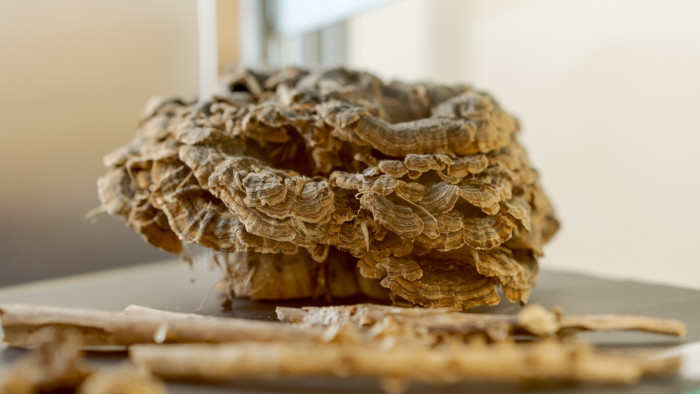
The NZ Fungarium supports conservation, environmental restoration, and ID of species, and is vital in biosecurity risk assessments relating to trade in agricultural commodities.
The New Zealand Fungarium is the world's foremost collection of New Zealand fungi, approximately 2000 type specimens, and is one of the few sizeable collections of fungi from the Southern Hemisphere. Specimens collected during plant diseases surveys in the South Pacific are also deposited in the collection. PDD contains all the major groups of fungi with more than 115,000 dried specimens and 1,000–2,000 specimens are added each year. Specimen data is digitised and available to the public.
The key functions of the Fungarium are to acquire, preserve and maintain a collection of New Zealand fungi. This allows scientists to provide accurate identifications, authoritative names, and geographical range information, and to support biosecurity risk assessments relating to emerging plant health threats to New Zealand. This combination of practical innovation and foundational science continues to save time, reduce economic loss, and shape how scientists, growers, and regulators understand fungi and plant disease today.