Time travellers boost research
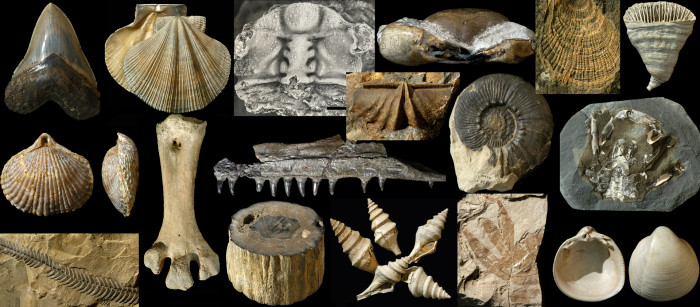
The New Zealand Fossil Record File (FRF) is a nationally significant database built over more than 160 years, documenting around 110,000 fossil localities across Aotearoa and surrounding regions, including related paleontological, stratigraphic and lithological information. Originally developed as a paper archive, it evolved into the digital Fossil Record Electronic Database (FRED), making this extensive record widely accessible to researchers, iwi, educators, and the public.
Its importance and impact lie in its scale and continuity: few countries have such a comprehensive, standardised fossil dataset. The FRF has transformed how scientists study New Zealand’s geological history by enabling consistent, Zealandia-wide analysis of fossils and strata. This has supported major advances, including refining the New Zealand Geological Timescale, mapping the evolution of Zealandia through 15 paleogeographic reconstructions, and building a 100‑million‑year pollen record that reshaped understanding of plant evolution and climate.
The FRF has also strengthened biodiversity research, underpinning inventories like The Marine Biota of Aotearoa New Zealand and improving assessments of regional and global extinction risk. These insights inform conservation policies, biodiversity management, and climate adaptation strategies. The FRF’s contributions underpin environmental decision‑making, resource management, hazard assessment, and provide a deeper understanding of our bioheritage – areas with clear societal and economic value.
Today, the FRF continues to support research into climate change, evolution, paleobiodiversity, and geohazards. Looking ahead, increasing digitisation, integration with other datasets, and broader access will further enhance its role, enabling more predictive and multi-disciplinary science, and supporting long-term environmental resilience in Aotearoa.